Race car upgrades ranked by lap time per bahtจัดอันดับการอัพเกรดรถแข่ง ที่ทำเวลาต่อรอบลดลงคุ้มเงินที่สุด
Tyres, data logging, suspension, ECU, gearbox or engine: which upgrade cuts the most lap time for the money? A ranking from racing my Honda Civic EG, car 251.ยาง, data logger, ช่วงล่าง, ECU, เกียร์ หรือเครื่องยนต์ อะไรลดเวลาต่อรอบได้คุ้มเงินที่สุด? จัดอันดับจากประสบการณ์แข่งจริงกับ Honda Civic EG รถเบอร์ 251

If your budget is limited, start with tyres and work your way up to the engine last. That is the whole article in one line.
When people think about building a race car, most think engine first: a turbo, new cams, as much horsepower as possible. I thought the same when I started building this Civic EG, car 251.
Then I went racing, and found that lap time does not come from horsepower alone. So here is my ranking of where your money buys back the most seconds.
How to read it: I rank from the worst value (number 6) to the best value (number 1), measured as money spent against lap time gained. It is not a ranking of which upgrade makes the car most powerful.
6. Engine: real speed, but the spending never stops
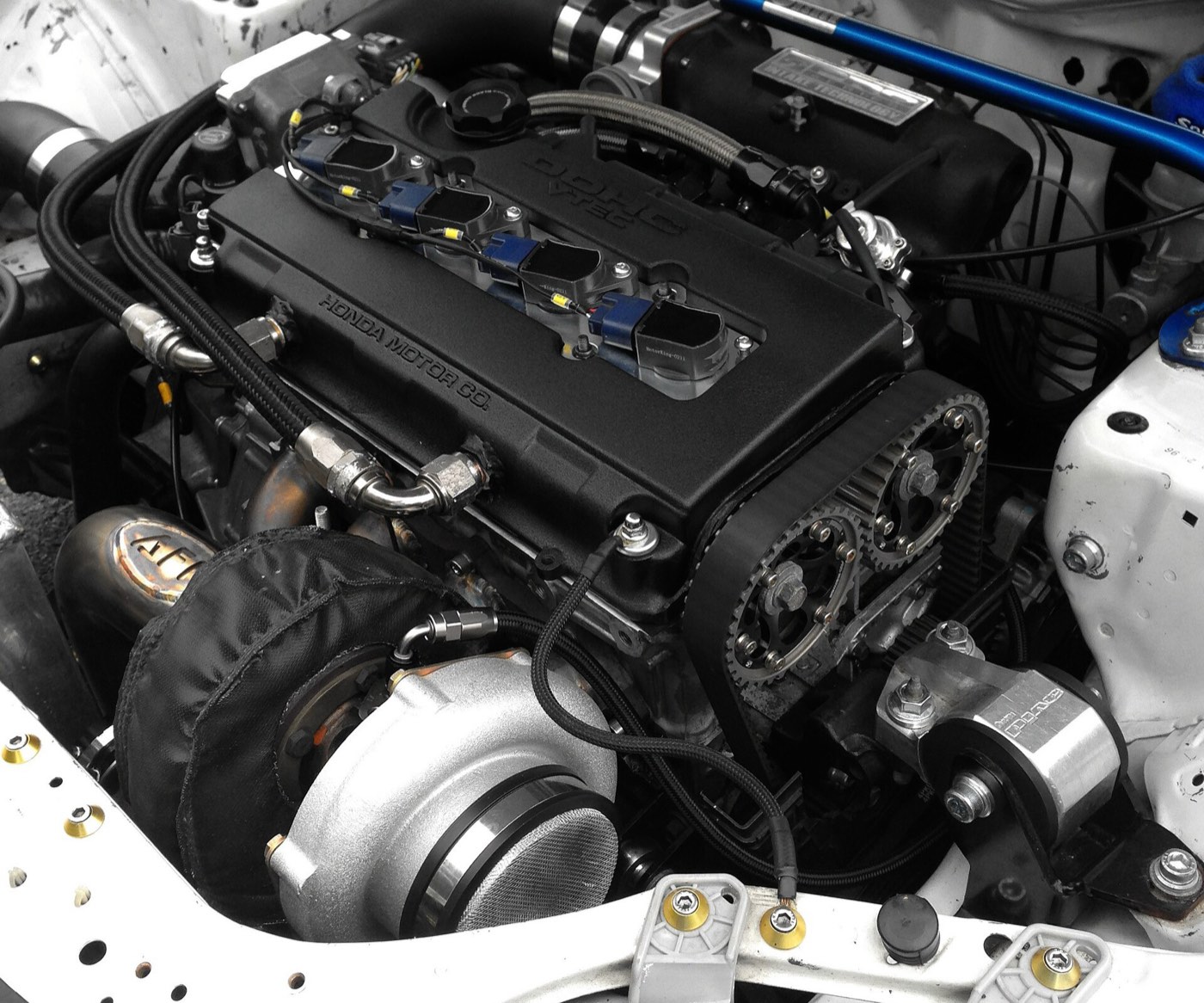
To be fair, engine work is the upgrade that cuts the most lap time outright: a turbo, cams, pistons, rods, crank, port work, piston clearances.
It sits last because of everything that comes with it:
- The build itself. Teardown, rebuild, machine shop, and every part that has to change to suit the new engine.
- Upkeep. The more power you make, the more closely you have to watch oil and every other fluid.
- The rest of the car has to keep up. More power needs more brakes, and then you are thinking about weight too.
So engine work does buy lap time, but it is the most expensive way to buy each second.
5. Gearbox: the one people overlook
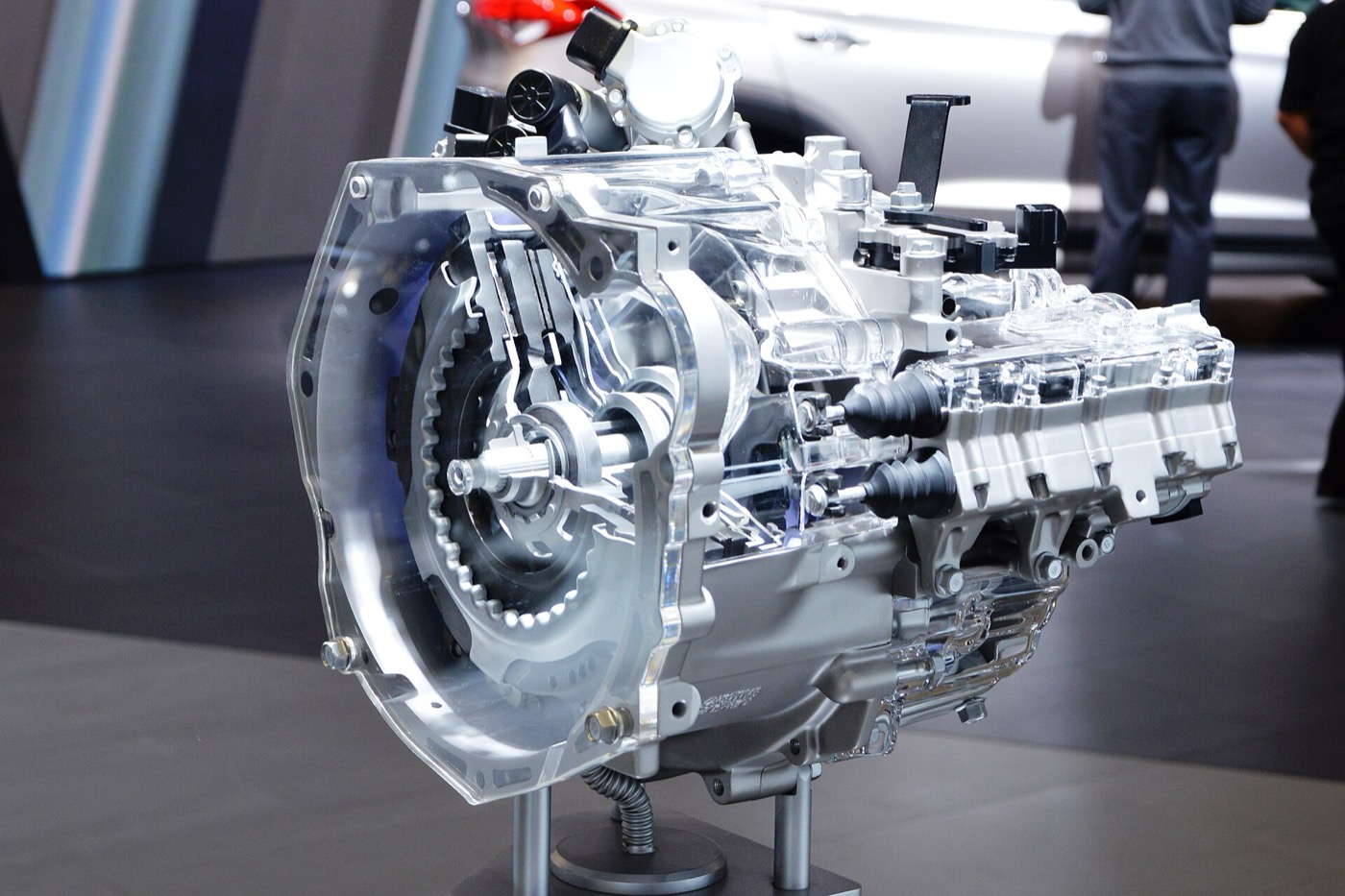
Plenty of people think, "Why would a race car care about the gearbox?" Think of it the other way round: every horsepower the engine makes has to pass through the gearbox before it reaches the road.
Ratios that suit the engine put more of that power down, so the car gets faster without a single extra horsepower.
A close-ratio box is not cheap, but you buy it once. With the ratios sorted, all that is left is changing the final drive for each circuit.
Pick the wrong ratios, though, and that money is simply gone.
4. ECU and tuning: life insurance for the engine
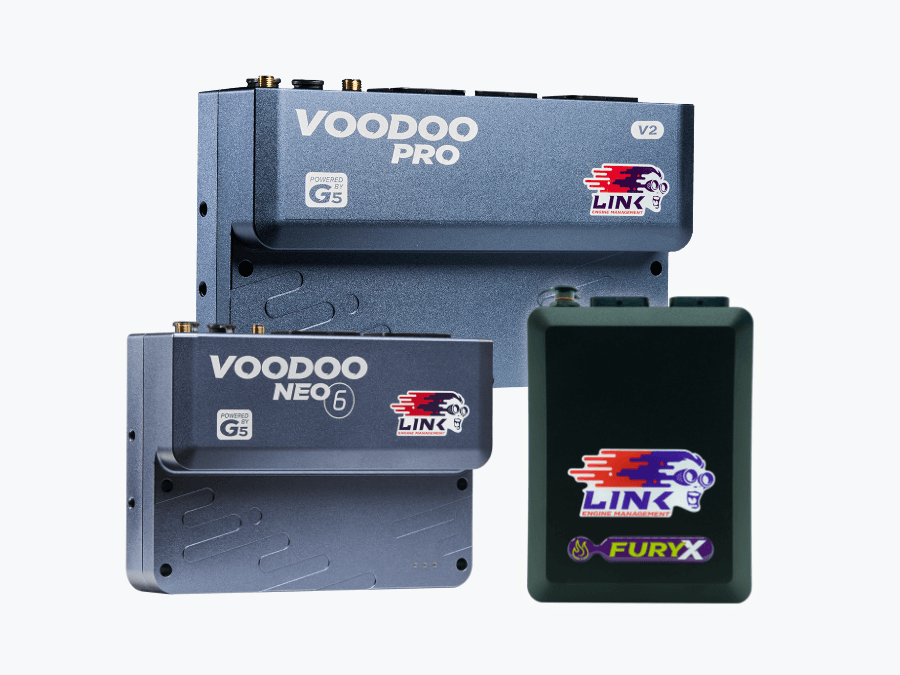
Here I am comparing a flashed stock ECU with a standalone ECU.
A stock ECU can make the car fast, but the factory limits how far you can go. You can push it to the edge, but nothing stops the engine from destroying itself when something goes wrong.
The standalone units you see all over the paddock are life insurance for the engine. A good one cuts or protects the engine when readings go out of range, for example when oil pressure drops or the fuel mixture runs lean.
Worth knowing: the ECU and tuning bill stays sensible only if the engine and every other system are ready. If they are not, every dyno session turns up a new problem and the bill never ends.
3. Suspension: real lap time, even in a road car
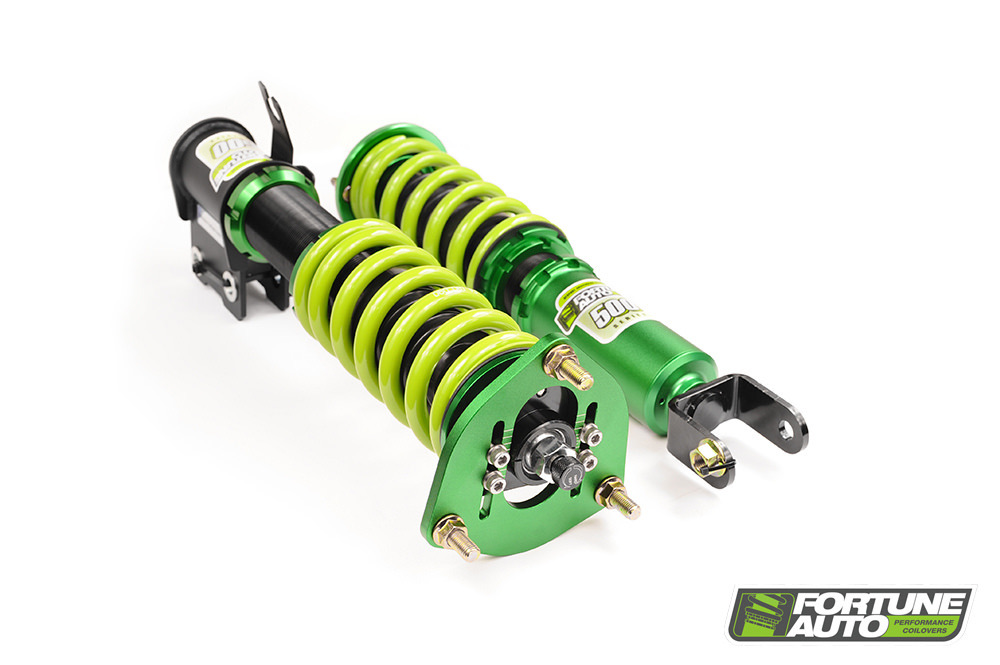
This one cuts lap time, no question. And it is not just buying new dampers: it is tuning the suspension, choosing springs and setting the car up for each circuit.
On track, what matters is how well the car keeps its tyres on the ground through a corner. The more the tyres stay planted, the faster and more confidently the car corners.
So even a standard road car will find lap time once the suspension is set up properly.
2. Data logger and coaching: upgrade the driver
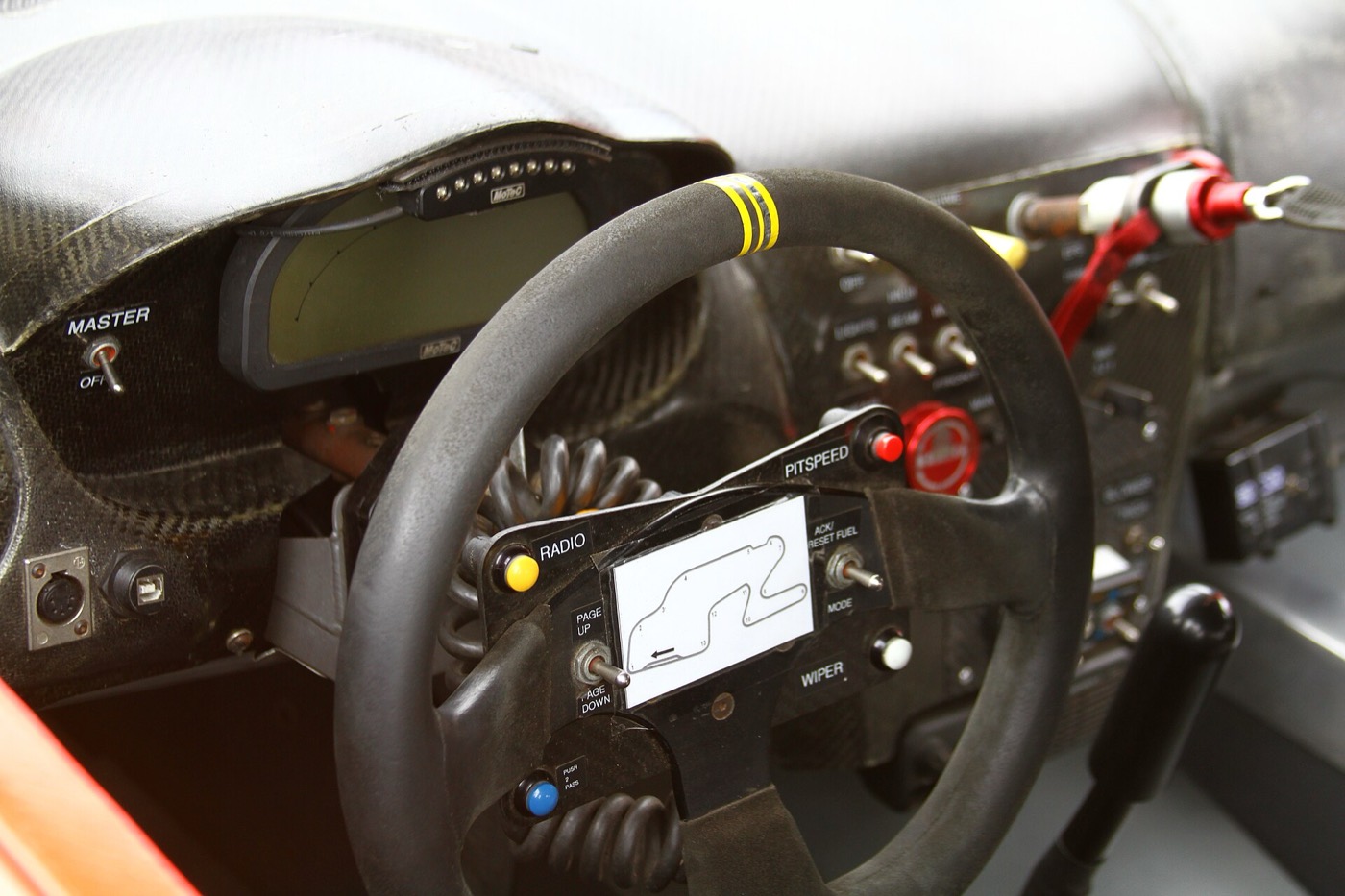
This one is pure investment in yourself.
- Data logger. The more data you have, the more clearly you see where you lose time: braking too late, not getting on the power early enough out of a corner. No more guessing.
- Coaching. A coach who reads your data and watches you drive helps you fix mistakes far faster than a year of trial and error on your own.
Best of all, none of this wears out with the car. Change cars and the skill comes with you.

A fast car is not about the car. It is about the driver.

1. Tyres: the only part of the car that touches the ground
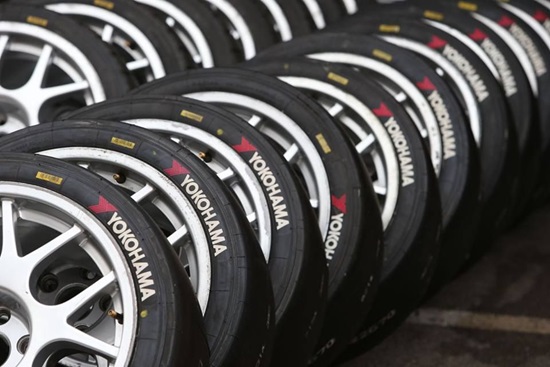
And the winner is the tyres.
Think about it: everything from number 6 to number 2 ends up going through these four tyres to the ground. However much power you make and however good the suspension is, if the tyres do not grip, that is the end of it.
Grip shows most in the corners. The more the tyres grip, the later you dare to brake, the faster you dare to turn in, and the lap time comes down with it.

On race days I run Yokohama A052. I trust its grip in every corner, and that trust is what lets me brake later.
Summary: spend in this order for the best value
| Rank | Upgrade | Why it pays | Watch out for |
|---|---|---|---|
| 1 | Tyres | Instant results in every corner | Race tyres wear fast, so budget for replacements |
| 2 | Data logger + coaching | Skill stays with you, whatever you drive | Only works if you actually study the data |
| 3 | Suspension | Keeps the tyres planted, faster cornering | Needs setting up for each circuit, not just new dampers |
| 4 | ECU + tuning | Protects the engine and lets you use all of it | Other systems must be ready or the tuning bill grows |
| 5 | Gearbox | Buy it once | Wrong ratios mean wasted money |
| 6 | Engine | Biggest lap time gain outright | Hidden costs that never stop |
My advice if you are just starting out: a good set of tyres, a data logger and as much track time as you can get. That alone will take more time off than you expect. Save the big engine for later, once you can drive the car to its limit.
How would you rank them? Send me your list on Instagram @job_lifestyle, or follow car 251 through the season on the Racer page.
ถ้างบมีจำกัด ให้เริ่มที่ยางก่อน แล้วค่อยไล่ขึ้นไปหาเครื่องยนต์ทีหลัง นี่คือข้อสรุปของบทความนี้ครับ
พูดถึงการแต่งรถแข่ง หลายคนคิดถึงเครื่องก่อนเป็นอย่างแรก ใส่เทอร์โบ เปลี่ยนแคม ขอแรงม้าเยอะๆ ไว้ก่อน ผมเองก็เคยคิดแบบนั้นตอนเริ่มทำ Civic EG เบอร์ 251 คันนี้
แต่พอได้ลงสนามจริง ผมพบว่าสิ่งที่ทำให้เวลาต่อรอบลดลงไม่ได้มาจากแรงม้าอย่างเดียว เลยอยากจัดอันดับให้ดูกันว่า จ่ายเงินไปกับอะไร แล้วได้ "วินาที" กลับมาคุ้มที่สุด
วิธีอ่าน: ผมเรียงจากคุ้มน้อยที่สุด (อันดับ 6) ไปจนถึงคุ้มที่สุด (อันดับ 1) วัดจากเงินที่ลงไปเทียบกับเวลาที่ลดลง ไม่ได้วัดว่าอันไหนทำให้รถแรงที่สุดนะครับ
อันดับ 6: เครื่องยนต์ — แรงจริง แต่เงินไม่จบไม่สิ้น
ต้องยอมรับตรงๆ ว่าการทำเครื่องคือการอัพเกรดที่ทำให้เวลาลงได้เยอะที่สุด ไม่ว่าจะใส่เทอร์โบ เปลี่ยนแคม เปลี่ยนลูก ก้าน ข้อ ขัดพอร์ท หรือปรับ clearance ลูกสูบ
แต่ที่มันอยู่อันดับสุดท้าย เพราะค่าใช้จ่ายที่ตามมามันเยอะมาก:
- ค่าทำเครื่องโดยตรง ค่าแกะ ค่ายกเครื่อง ค่าโรงกลึง และของที่ต้องเปลี่ยนให้เข้ากับเครื่องใหม่
- ค่าดูแลรักษา ยิ่งเครื่องแรง ยิ่งต้องใส่ใจน้ำมันเครื่องและของเหลวทุกตัวมากขึ้น
- ระบบอื่นต้องตามให้ทัน แรงขึ้นก็ต้องเบรกให้อยู่ และต้องคิดเรื่องน้ำหนักรถตามมาด้วย
สรุปคือ ทำเครื่องได้เวลาจริง แต่เป็นทางที่แพงที่สุดในการแลกแต่ละวินาทีครับ
อันดับ 5: เกียร์ — ตัวที่คนชอบมองข้าม
หลายคนอาจคิดว่า "เห้ย รถแข่งจะไปสนใจเกียร์ทำไม" แต่ลองคิดกลับกันครับ แรงม้าทุกตัวที่เครื่องทำได้ ต้องวิ่งผ่านเกียร์ก่อนถึงจะลงไปถึงพื้นถนน
พูดง่ายๆ คือ อัตราทดเกียร์ที่เข้ากับเครื่อง จะช่วยพากำลังลงพื้นได้มากขึ้น รถก็เร็วขึ้นโดยไม่ต้องเพิ่มแรงม้าสักตัว
จริงอยู่ว่าเกียร์ close ratio มีราคาของมัน แต่ข้อดีคือ ทำครั้งเดียวจบ เรียงเกียร์ลงตัวแล้ว ที่เหลือก็แค่ปรับเฟืองท้ายให้เข้ากับแต่ละสนามเท่านั้น
แต่ถ้าเลือกอัตราทดไม่เป็น บอกเลยว่าเงินบินฟรีแน่นอนครับ
อันดับ 4: ECU + จูน — ประกันชีวิตของเครื่องยนต์
ข้อนี้ผมขอเทียบระหว่าง กล่องเดิม (เอาไปแฟลช) กับ กล่อง standalone นะครับ
ความจริงคือ กล่องเดิมก็ทำให้รถแรงได้ แต่โรงงานจำกัดไว้ไม่ให้เราทำอะไรได้มาก เรากดกล่องให้สุดได้ก็จริง แต่ไม่มีอะไรคอยกันไม่ให้เครื่องพังถ้ามีปัญหาเกิดขึ้น
ส่วนกล่อง standalone ที่เห็นในวงการแข่งกันเยอะ มันคือการ ซื้อประกันชีวิตให้เครื่องยนต์ กล่องดีๆ จะมีระบบช่วยตัดหรือป้องกันเครื่องเมื่อค่าต่างๆ ผิดปกติ เช่น แรงดันน้ำมันเครื่องตก หรือน้ำมันเชื้อเพลิงบาง
ข้อควรรู้: ค่ากล่องและค่าจูนจะไม่บานปลาย ถ้าเครื่องและทุกระบบของเราพร้อมแล้ว แต่ถ้ายังไม่พร้อม เข้าไดโนทีไรก็เจอปัญหาใหม่ทุกที ไม่จบไม่สิ้นแน่นอนครับ
อันดับ 3: ช่วงล่าง — ทำเวลาได้จริง แม้เป็นรถบ้าน
ข้อนี้บอกได้เลยว่าทำเวลาได้จริง และไม่ได้หมายถึงแค่การซื้อโช้คใหม่นะครับ แต่รวมถึงการจูนช่วงล่าง ปรับสปริง และเซ็ตอัพรถให้เข้ากับสนาม
ในสนามแข่ง เราวัดกันที่ว่า เข้าโค้งแล้วทำให้ยางแนบพื้นได้มากแค่ไหน ยางยิ่งอยู่กับพื้น รถยิ่งเข้าโค้งได้เร็วและมั่นใจ
เพราะฉะนั้นต่อให้เป็นรถบ้านธรรมดา ถ้าช่วงล่างเซ็ตมาถึง ก็ทำเวลาได้แน่นอนครับ
อันดับ 2: Data logger + Coaching — อัพเกรดที่ตัวคนขับ
ข้อนี้คือการลงทุนในตัวเองล้วนๆ ครับ
- Data logger ยิ่งมีข้อมูลเยอะ ยิ่งรู้ว่าเสียเวลาตรงไหน เบรกช้าไปไหม ออกโค้งเร็วพอหรือยัง ไม่ต้องเดาเอาเองอีกต่อไป
- Coaching มีโค้ชช่วยดูข้อมูลและดูการขับ ช่วยให้แก้จุดที่ผิดได้เร็วกว่าลองผิดลองถูกเองเป็นปี
ที่สำคัญที่สุดคือ ของพวกนี้ไม่เสื่อมไปกับรถ เปลี่ยนรถคันใหม่ สกิลก็ยังติดตัวเราไปด้วย
รถเร็ว ไม่ได้อยู่ที่รถ แต่อยู่ที่คนขับครับ
อันดับ 1: ยาง — จุดเดียวที่รถแตะพื้นจริงๆ
และแชมป์ของเราคือ ยางรถยนต์ครับ
ลองคิดดูนะครับ ทุกอย่างที่เราอัพมาตั้งแต่อันดับ 6 ถึงอันดับ 2 สุดท้ายแล้วต้องส่งผ่านยางสี่เส้นนี้ลงไปที่พื้นทั้งหมด แรงม้าจะเยอะแค่ไหน ช่วงล่างจะดีแค่ไหน ถ้ายางไม่เกาะ ก็จบ
การยึดเกาะของยางเห็นผลชัดที่สุดตอนเข้าโค้ง ยิ่งยางเกาะ เรายิ่งกล้าเบรกช้า กล้าเข้าโค้งเร็ว และเวลาต่อรอบก็ลดลงตามมาแน่นอน
ส่วนตัวผมใช้ Yokohama A052 ลงแข่ง เพราะมั่นใจในการยึดเกาะของมันในทุกโค้ง และความมั่นใจนี้แหละที่ทำให้ผมกล้าเบรกช้าลงได้อีกครับ
สรุป: ลงเงินตามลำดับนี้ คุ้มที่สุด
| อันดับ | อัพเกรด | ทำไมคุ้ม | ข้อควรระวัง |
|---|---|---|---|
| 1 | ยาง | เห็นผลทันที ทุกโค้ง | ยางแข่งสึกไว ต้องเผื่องบเปลี่ยน |
| 2 | Data logger + Coaching | สกิลติดตัว ไม่เสื่อมไปกับรถ | ต้องเอาข้อมูลมาดูจริง ไม่ใช่ซื้อมาติดเฉยๆ |
| 3 | ช่วงล่าง | ทำให้ยางแนบพื้น เข้าโค้งเร็วขึ้น | ต้องเซ็ตให้เข้ากับสนาม ไม่ใช่แค่ซื้อโช้ค |
| 4 | ECU + จูน | ปกป้องเครื่อง รีดได้เต็มที่ | ระบบอื่นต้องพร้อมก่อน ไม่งั้นค่าจูนบาน |
| 5 | เกียร์ | ทำครั้งเดียวจบ | เลือกอัตราทดผิด = เสียเงินฟรี |
| 6 | เครื่องยนต์ | ได้เวลาเยอะที่สุด | ค่าใช้จ่ายแฝงไม่จบไม่สิ้น |
ถ้าให้ผมแนะนำคนที่เพิ่งเริ่ม: ยางดีๆ สักชุด + data logger + ลงสนามให้เยอะ แค่นี้เวลาก็ลงเยอะกว่าที่คิดแล้วครับ เครื่องแรงๆ ค่อยตามมาทีหลังตอนที่ตัวเราขับได้เต็มรถแล้ว
แล้วถ้าเป็นคุณ จะเรียงอันดับต่างจากผมยังไง? ทักมาคุยกันได้ทาง Instagram @job_lifestyle หรือติดตามการแข่งของรถเบอร์ 251 ทั้งซีซั่นได้ที่หน้า Racerครับ